Applying a Political Economy Perspective to Development



We are a network of experienced development professionals who all take a political economy perspective to development. Our Directors, Principals and Associates have specialist knowledge of particular countries and sectors. They have strong connections to government, the private sector, civil society, media and research organisations. They bring to bear their own long working experience within official agencies, academia and the private sector.
The Policy Practice applies a political economy approach to supporting positive change in developing countries. We undertake strategic and policy work in developing countries, including political economy analysis, programme designs, reviews, and evaluations. We also run a flagship training course on political economy analysis and provide bespoke training for a wide variety of clients.

Political economy analysis for climate action - new course launched starting October 2024
The Policy Practice is delighted to be re-running the popular online course on Political Economy Analysis for Climate Action. This course explains how political economy analysis can be used to understand the challenge of action on climate change and to design more effective interventions. The course will consist of eight, 2-hour online sessions from 4 October to 12 November 2024. For more information and to register please click below or see our flyer here.

The political economy of energy transitions in Ghana, Zambia and Vietnam - Policy Brief 17
Written by Sam Bickersteth with Neil McCulloch and Meron Tesfamichael, this policy brief draws out some of the common constraints hindering the energy transition in Ghana, Zambia, and Vietnam and many other countries in the Global South. It also shows how political economy analysis can help to identify politically feasible pathways of change in each country demonstrating the importance of such analysis as an essential tool to understand energy transition.
Media support: aid funding does not match donor rhetoric
Laure-Hélène Piron (TPP Director) presented her analysis of official development assistance to media and the information environment to the Governance Network of the OECD Development Assistance Committee on 6 March 2024.
The draft report shows that the rhetoric of governments which support freedom of expression and condemn disinformation is not matched by sufficient funding. And too little directly goes to local media organisations.
Latest Newsletter from The Policy Practice
We're pleased to share with you our latest newsletter. Read here to find out more about the projects we have been working on at TPP, and exciting news about the launch of our next Political Economy Analysis for Climate Action online training course, starting 5 March 2024. This issue also includes our new Policy Brief on The political economy of a green recovery in Ukraine.

The political economy of a green recovery in Ukraine - Policy Brief 16
This Policy Brief discusses the political economy of a green recovery in Ukraine. It analyses how corruption might inhibit green, equitable and sustainable reconstruction in Ukraine, the drivers of this corruption and the political opportunities for tackling it. It recommends joining up the anti-corruption and environmental reform agendas, ensuring citizen and community involvement in post-war recovery and building on wartime community self-help initiatives.
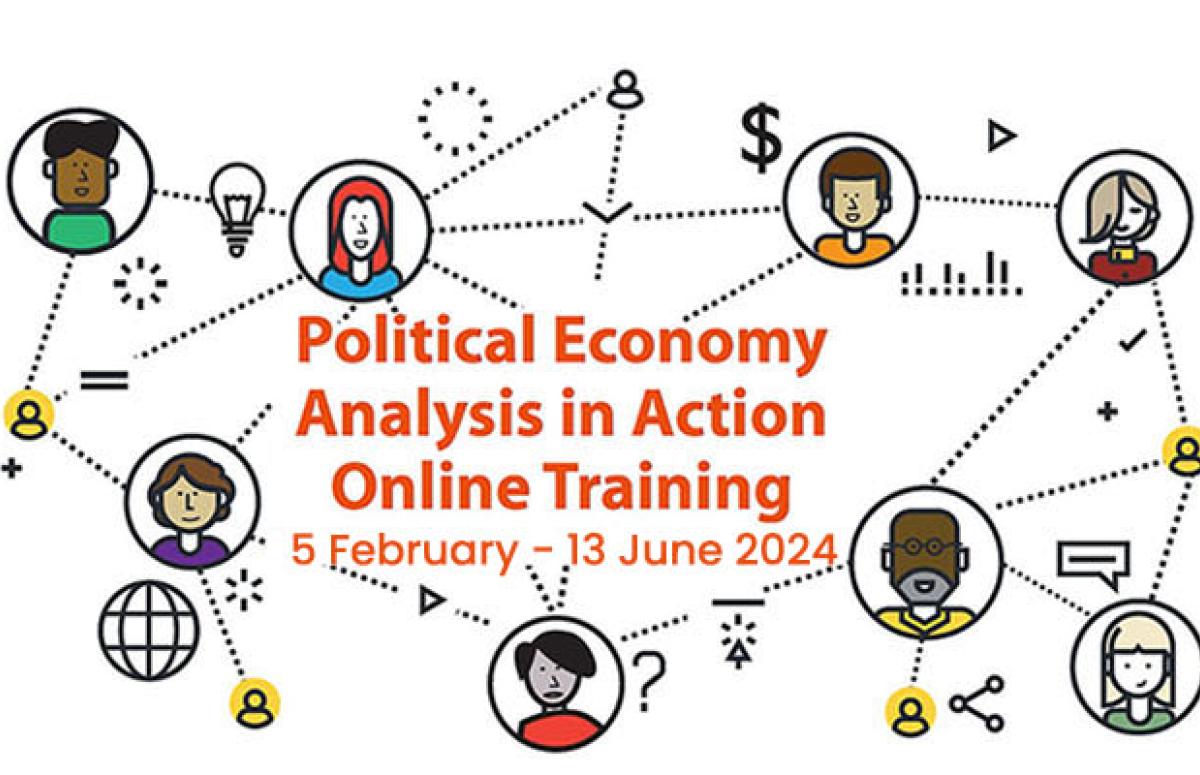
Latest Political Economy Analysis in Action online training course launched
We are pleased to announce the launch of our next Political Economy Analysis in Action online training course, starting 5 February and running until 13 June 2024
The course is designed to equip participants to identify the challenges arising from political economy features of the contexts in which they work, and to draw well-grounded conclusions for policy, strategy, or programme design and implementation.
If you or your colleagues are interested in participating in this course or a tailored one in the future, please see our course flyer or email training@thepolicypractice.com for further details.
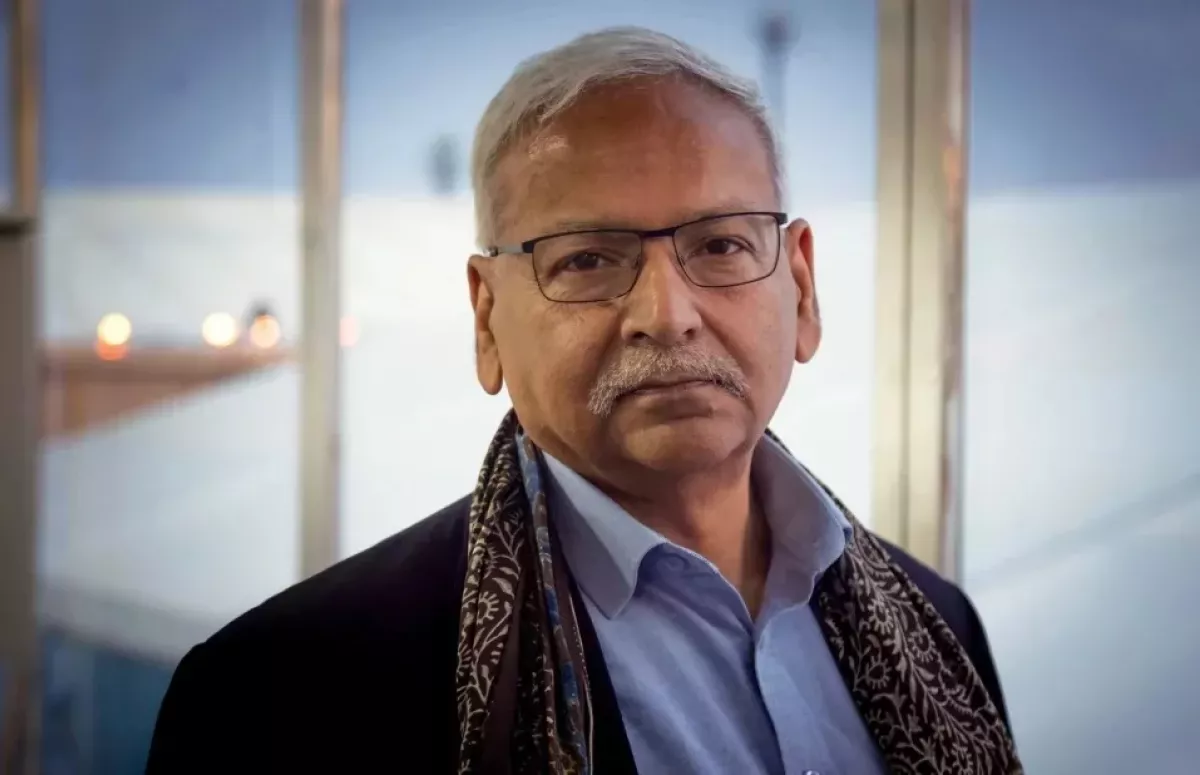
Saleem Ul Huq
We are very sad to hear of the passing of Prof. Saleem Ul Huq, one of the world’s most prominent climate change experts and Director of the International Centre for Climate and Development in Bangladesh. Saleem was a tireless champion of action on climate change. As a leading author in two of the major assessments undertaken by the International Panel on Climate Change, his work highlighted the impact of climate change on developing countries, and the importance of greatly increased funding for adaptation to climate change. He also advocated for the establishment of a mechanism to pay for the loss and damage already sustained by countries such as his own, which was finally agreed, in principle, at COP27 in 2022. In the same year, he was named one of the top 10 scientists in the world by Nature, the international science journal.
Having attended every single one of the Conference of Parties of the UNFCCC, Saleem was a strong believer in the importance of understanding the political economy of climate action. In 2021, he kindly agreed to be interviewed by TPP Principal, Sam Bickersteth as a contribution towards our course on the Political Economy Analysis for Climate Action. The interview can be found here.

Why governments drag their feet on climate action - and what to do about it. New blog from TPP Director Neil McCulloch
In March 2023, the Intergovernmental Panel on Climate Change released a Synthesis report of its huge sixth assessment report, pointing out that greenhouse gas emissions must fall dramatically – starting immediately – for us to have any chance of keeping the global temperature within 1.5 degrees above pre-industrial levels by 2100. The response to this depressing reality from many advocating urgent action to tackle climate is that we must try harder. That failing to do so will result in catastrophe. This blog argues that this is the wrong approach. That the rallying cry to keep on pushing forward is unlikely to work unless we have a better understanding of the political barriers to doing so.
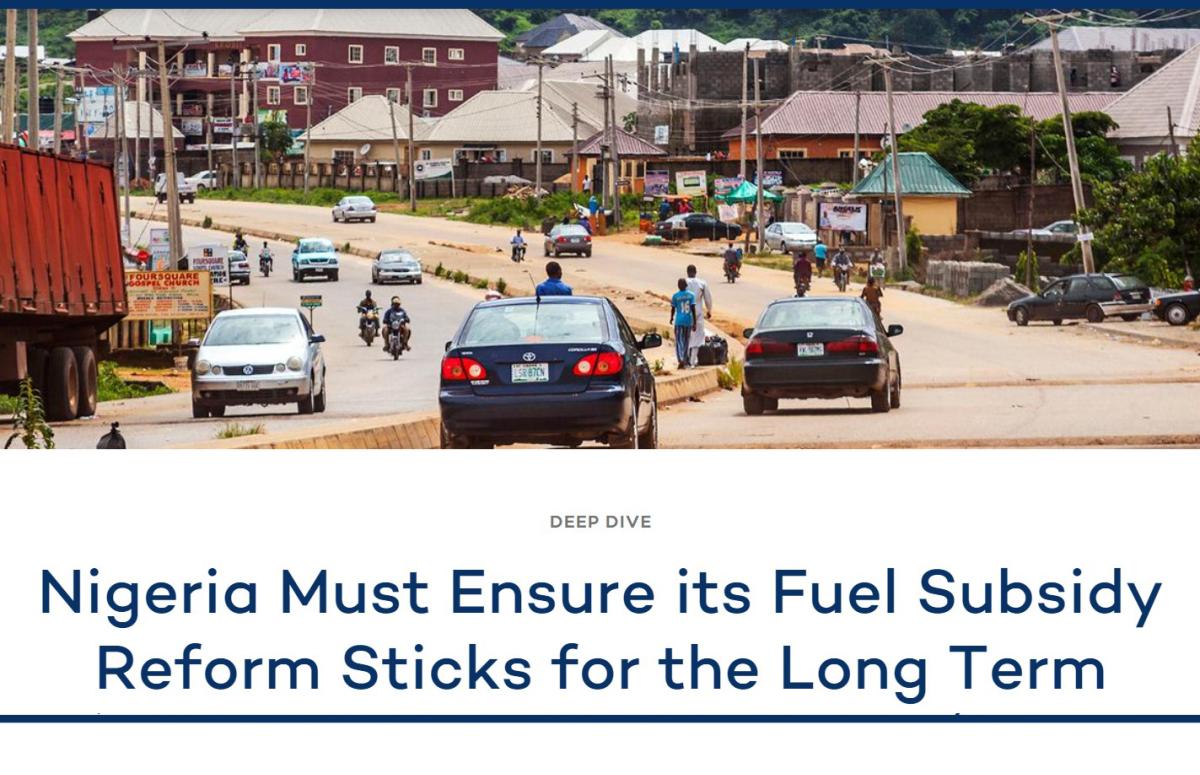
Q&A with Dr, Neil McCulloch - written by Aia Brnic (IISD) and Neil McCulloch
Neil was interviewed by the International Institute for Sustainable Development (IISD) about the controversial fuel subsidy reforms that have just taken place in Nigeria.
This article first appeared on the IISD website - see link below:
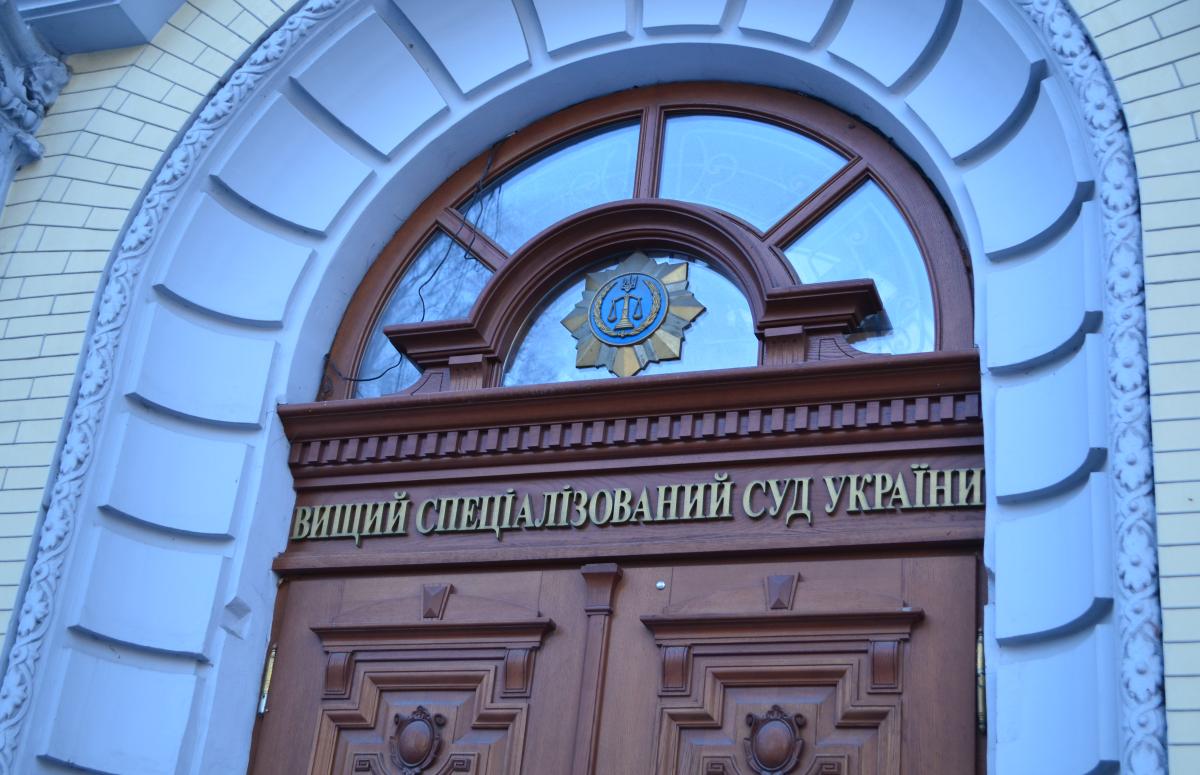
Andrii Biletskyi (TPP Associate) and Laure-Hélène Piron (TPP Director) are assessing the current state of judicial reforms in Ukraine in order to advise the UK Foreign, Commonwealth and Development Office.

Laure-Hélène Piron (TPP Director) is helping the Swiss Agency for Development Cooperation review their approach to decentralisation and local governance in Mali.

This bespoke workshop, run by TPP Director Neil McCulloch and Alex Duncan, was designed for the World Wildlife Fund (WWF) staff to gain a better understanding of Political Economy Analysis and how it might help them to identify the challenges arising from political economy features of the contexts in which they work.
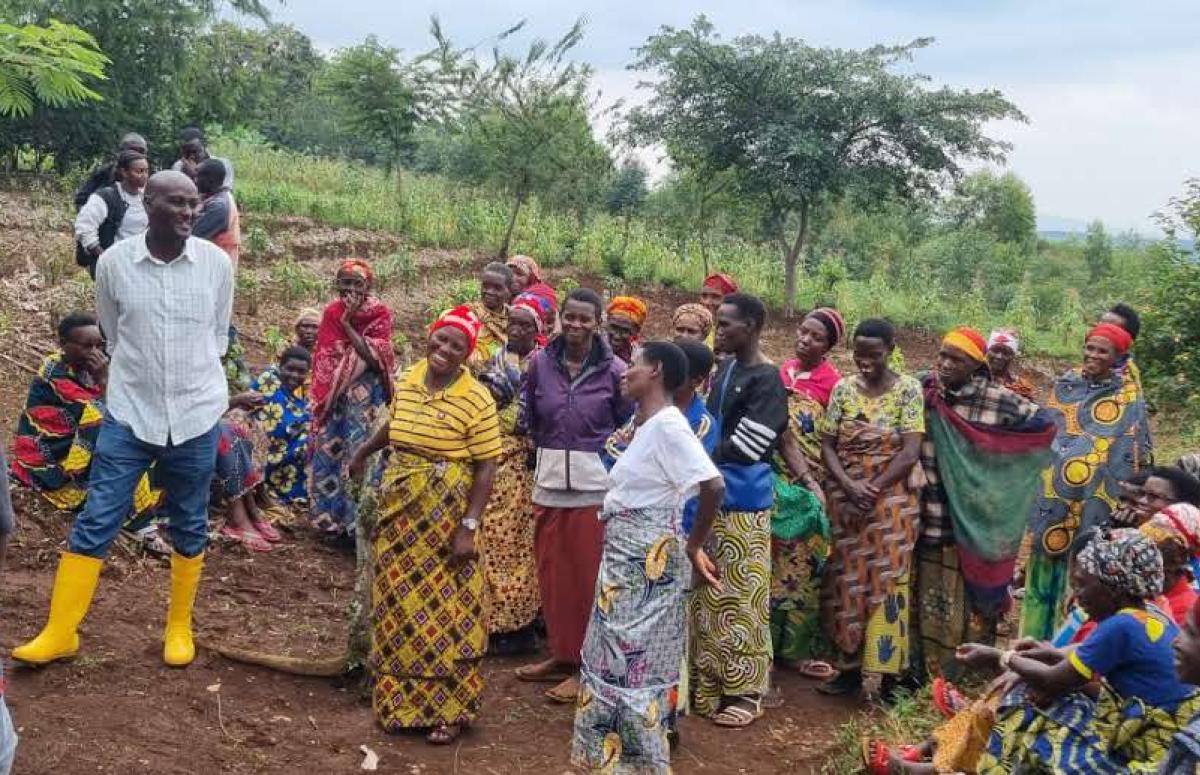
Gareth Williams (TPP Director) led a political economy analysis of the coffee sector in Burundi for Swiss Development Cooperation as part of the preparation of its new public-private partnership with coffee trading companies.

TPP Principal Simon Brook led a combined climate, conflict, and security risk assessment in Pakistan for the UK Foreign, Commonwealth and Development Office.
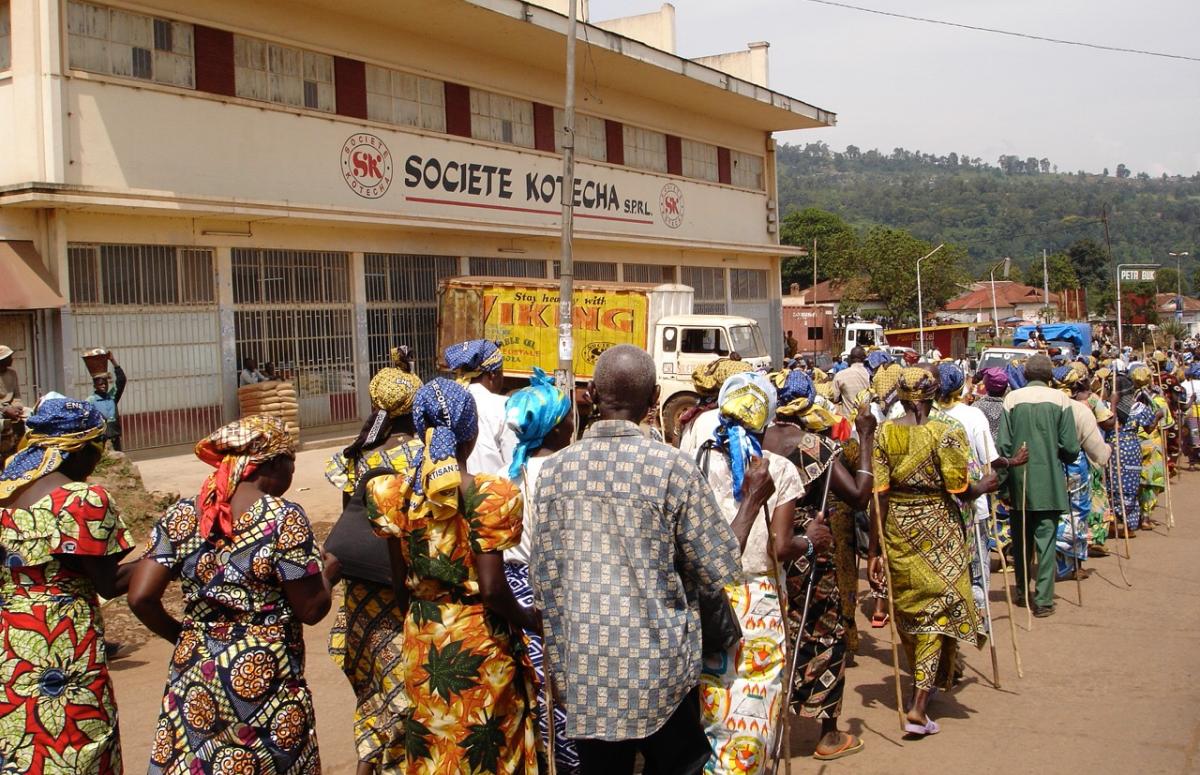
Sam Gibson (TPP Associate) and Laure-Hélène Piron (TPP Director) are finalising a toolkit on women's political empowerment for the UK Foreign, Commonwealth and Development Office and the Westminster Foundation for Democracy.
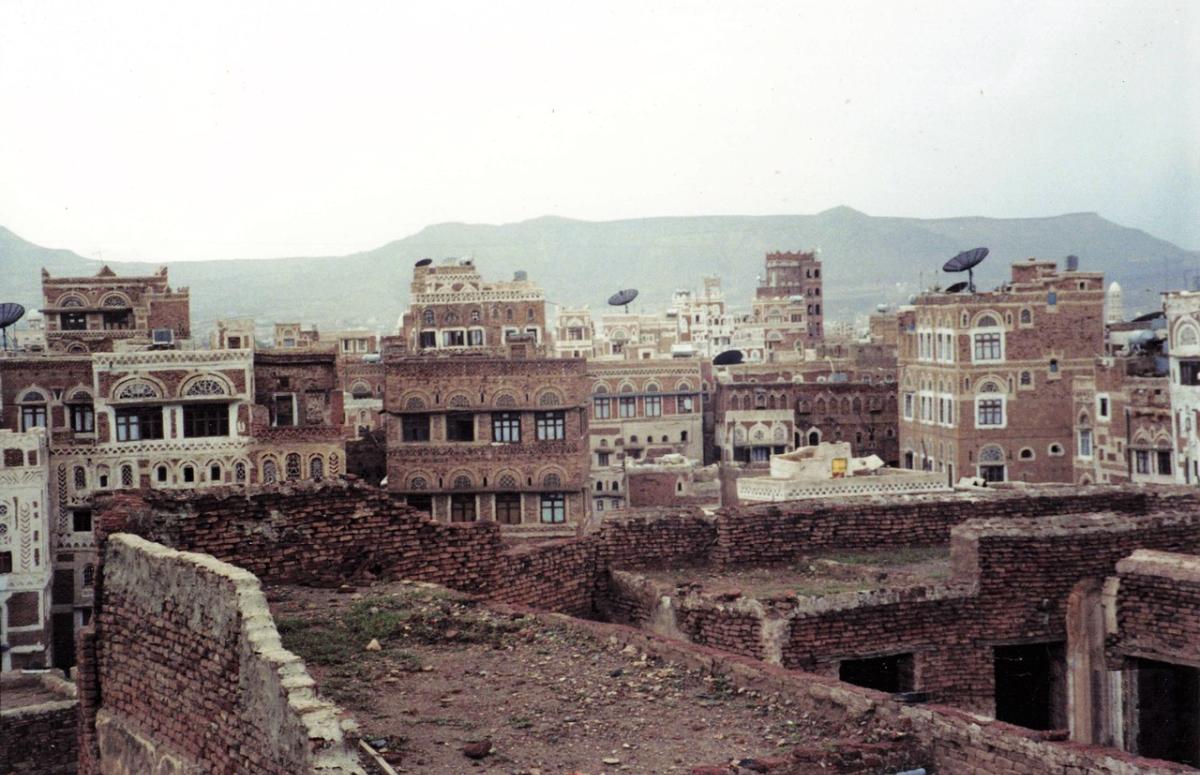
The Policy Practice is supporting the Economic Team of the internationally-recognised government in Aden, Yemen, in developing an economic rescue plan for Yemen.

Laure-Hélène Piron (TPP Director) facilitated political economy workshops for the British Embassy in Libya to identify what more they could do to promote democratic governance.

The Policy Practice, led by Alina Rocha Menocal (TPP Principal) is undertaking a political economy analysis to help identify political decision-makers and determine routes to speed up the implementation of climate solutions by aligning with their politics, ideas, interests and incentives.
The Policy Practice is a lead provider of training on applied political economy analysis for development practitioners.
Political economy analysis provides a deeper understanding of the contexts in which development happens – whether international, national, sectoral or local. It explores how structural factors, institutions and incentives of the key actors shape the possibilities for change in any given context – and how development partners can influence this.
Our course is designed to equip advisers and programme managers to identify the main political and institutional challenges and opportunities in the contexts in which they work, and to draw well-grounded conclusions for strategy, programme design and approaches to implementation.
We have run our flagship course for development professionals over 45 times since 2008, training over 2,000 professionals. We also offer tailored courses and bespoke advice to organisations that wish to deepen their capacity to undertake political economy analysis or manage their programmes more adaptively. Course participants come from bilateral and multilateral organisations, such as the UK Foreign, Commonwealth and Development Office, the US Agency for International Development, the Netherlands Foreign Ministry, Irish Aid, the Department for Foreign Affairs and Trade of Australia, the International Monetary Fund, the European Commission, or the United Nations Development Programme. Our clients also include research centres, non-governmental organisations and private companies, such as the Nigerian Institute of Social and Economic Research, Save The Children, Saferworld, DAI, Palladium or Chemonics.
We also launched a new online course on the Political Economy for Climate Action in June 2023. The next course will start in October 2024 over a six weeks period. For further information, see here.
Political economy analysis in action online training course
We are currently running a Political Economy Analysis in Action online training course which started on 5 February 2024. We will be running this again in September 2024. If you would like further information on this course, or to apply, please see our flyer here.
Participants on this interactive 14-week online course:
- Learn what political economy analysis is and why it matters
- Explore political economy concepts and how to use them
- Interact with leading experts on political economy analysis and thinking and working politically on a weekly basis
- Work through real-life case studies applying political economy tools to development challenges
- Participate in regular webinars with other course participants
- Learn how to ‘think and work politically’ in their own work
- Participants work both independently and in small groups to complete weekly tasks
See our course flyer for further information on the course, or email training@thepolicypractice.com if you have any questions.